

Cuyama Buckhorn achieved its best peak season in four years - with 4x more website visitors, 2x more reserved nights in peak months, and OTA dependency cut by 2/3.

Increase in Website Visitors

Reservations High in Peak Season

Increase in Restaurant ROAS

Background
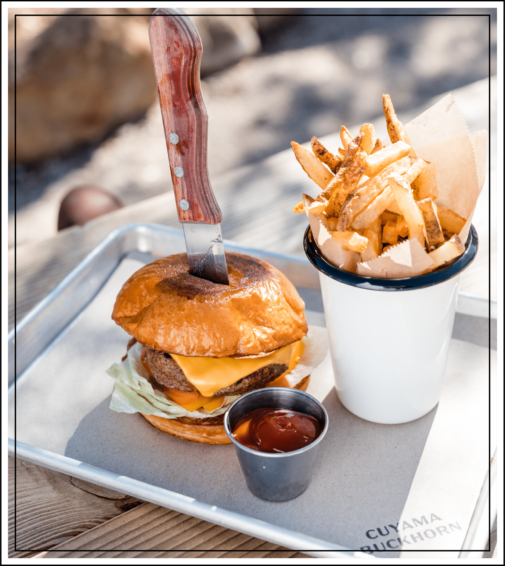
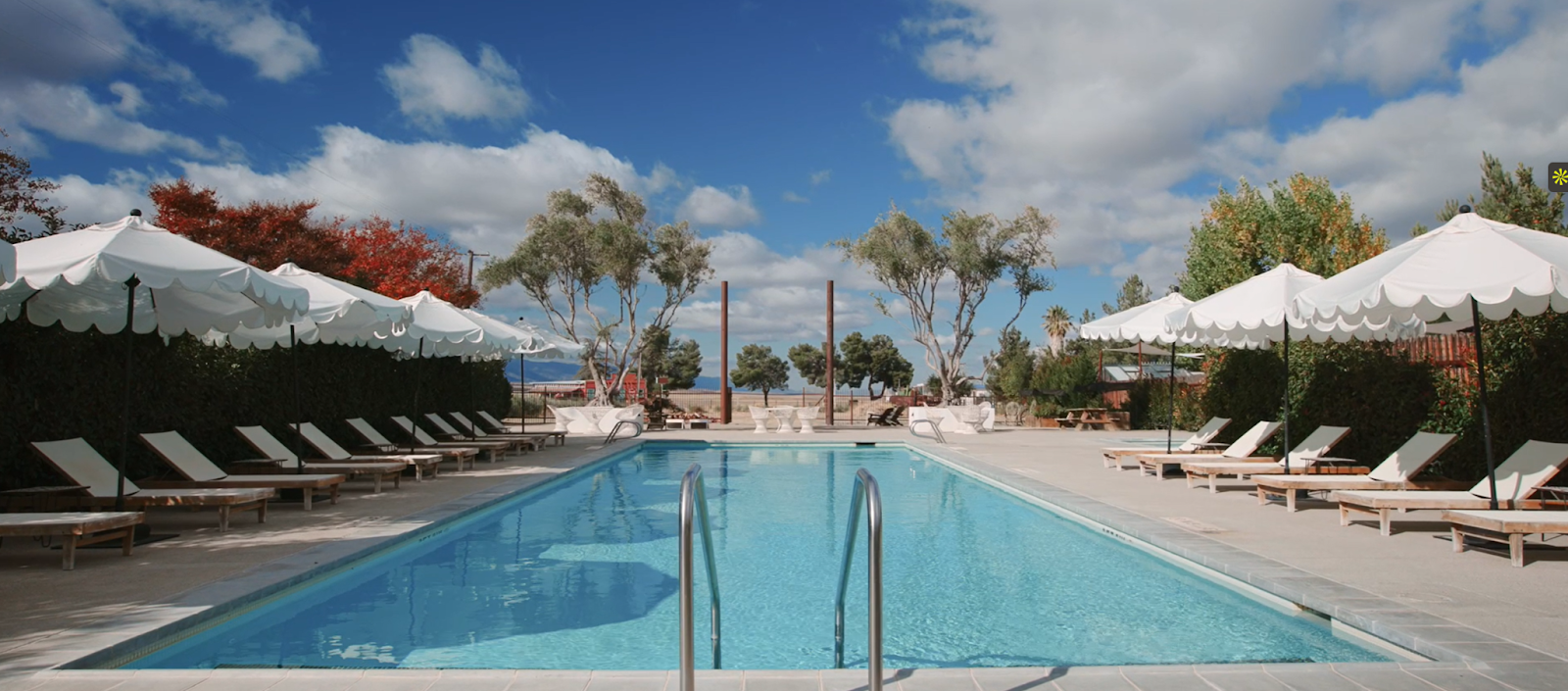
Cuyama Buckhorn is an independent boutique hotel retreat and farm-to-table restaurant located in California’s high desert, just beyond Los Padres National Forest. Originally established in 1952 as a gathering place for travelers and locals, it has been reimagined into a modern yet nostalgic destination that blends rustic charm with refined comfort. Nestled in the Hidden Valley of Enchantment, it offers thoughtfully crafted meals, revitalized rooms, and some of California’s best stargazing. Today, Cuyama Buckhorn celebrates the bounty of Central California through its food, design, and community-driven spirit.

Challenge
Cuyama Buckhorn aimed to increase revenue and occupancy across both its hotel and restaurant by reaching new prospective customers beyond those that had already stayed there or knew someone who had. Its advertising had primarily focused on branded Google searches by people that already knew about the Cuyama Buckhorn, capturing existing demand rather than creating it.
The challenge was to fill more rooms, reduce costly OTA dependency, and build a marketing engine that could sustain performance across seasons - not just peak weeks.
Solution & Results
Filling More Rooms, More Tables, More Often
GMA built a performance marketing system that drove measurable revenue growth across both the hotel and restaurant - more direct bookings, more diners, and a guest funnel that kept performing beyond peak season.
The foundation was a custom tracking integration connecting advertising, the website, and booking systems - giving the team real visibility into what was actually driving reservations and restaurant visits, not just clicks.
Before adopting an approach like this, pause for a moment.
Most teams underestimate how hard it is to connect advertising spend to real business outcomes - bookings, reservations, and revenue - without a clean tracking foundation.
Campaigns That Elevated Awareness and Bookings
We developed coordinated campaigns to inspire more hotel stays, longer stays, and increased restaurant dining. Using a blend of lifestyle, culinary, property, and destination storytelling, the campaigns showcased the full experience of Cuyama Buckhorn to both local and visiting audiences. The approach helped fill more rooms—faster and on a larger scale—while sustaining engagement across seasons.
Continuous Optimization & Collaboration
Real-time conversion data flowed back into ad platforms for ongoing optimization. Weekly collaboration between GMA and the property team ensured that strategy, content, and operations worked in lockstep to sustain bookings and reservations throughout the year.
Results
Highest peak-season bookings in 4 years, with performance carrying through the rest of the year
2x increase in reserved nights during peak months
OTA mix reduced by 2/3, shifting bookings to higher-margin direct channel
2x increase in restaurant ROAS, supported by improved targeting and coordination
4x increase in website visitors through full-funnel, multi-channel advertising
Unified visibility across all campaigns and guest touchpoints
Quote
“Partnering with GMA Growth Engines enhanced how we approach marketing. Their data-driven strategy and partnership helped us elevate awareness, attract new guests, and meaningfully improve performance across both our hotel and restaurant.”
— Ferial Sadeghian, Proprietor, Cuyama Buckhorn
Increase in Website Visitors
Reservations High in Peak Season
Increase in Restaurant ROAS
If you’re thinking about applying a similar approach…
The biggest mistake teams make is trying to do everything at once. Results like these came from focusing on the right channels first — not all of them.
Frequently Asked Questions
-
A: The tracking foundation was one of the unlocks which laid the foundation for major lifts to reserved nights during peak months within 1-2 months of careful configuration of conversion signals. Growth Engines Powered by GMA executed a phased engagement designed to unify Cuyama Buckhorn’s hotel and restaurant marketing into a connected, data-driven performance engine. The engagement began with rapidly building the full-funnel tracking framework across Google, Meta, the website, and booking systems—establishing complete visibility from first impression to confirmed reservation. With the data foundation in place, GMA relaunched coordinated hotel and restaurant campaigns within the first 1–2 weeks, blending lifestyle, culinary, and destination storytelling to expand awareness and increase direct bookings. Over the following 4–8 weeks, a new optimization rhythm emerged as performance data, creative updates, and influencer content fed back into the system. Continuous improvements and weekly collaboration ensured strategy, content, and operations remained aligned, driving increasingly strong results across subsequent cycles and seasons.
-
A: GMA Growth Engines led marketing strategy, tracking architecture, campaign development, media buying, optimization, and analytics integration. Cuyama Buckhorn collaborated by providing access to booking systems, property insights, creative assets, and operational context for both the hotel and restaurant. The property team also participated in weekly syncs to validate content, align on availability and seasonal priorities, and ensure campaigns matched the guest experience. This partnership allowed GMA to build targeted, high-performing campaigns while staying true to the brand’s identity, hospitality standards, and revenue goals.
-
A: Success was measured through website traffic growth, direct booking share, occupancy performance, and restaurant ROAS. Within the engagement period, Cuyama Buckhorn achieved a 4× increase in website visitors through full-funnel, multi-channel advertising; record peak-season occupancy surpassing the prior four years; and a 2× increase in restaurant ROAS driven by improved targeting and coordinated content. Additional success indicators included reduced reliance on OTAs, sustained reservation volume across seasons, and unified visibility into every guest touchpoint, enabling ongoing optimization and long-term scalability.